 irwan
irwan
As Eco-Friendly Nature Retreats That Support Sustainable Tourism takes center stage, this opening passage beckons readers with practical worship guide style into a world crafted with good knowledge, ensuring a reading experience that is both absorbing and distinctly original.
Eco-friendly nature retreats offer a unique blend of sustainability and serenity, attracting travelers seeking a harmonious connection with nature while supporting responsible tourism practices. This guide delves into the essence of these retreats, highlighting their benefits for both visitors and the environment.
Eco-Friendly Nature Retreats
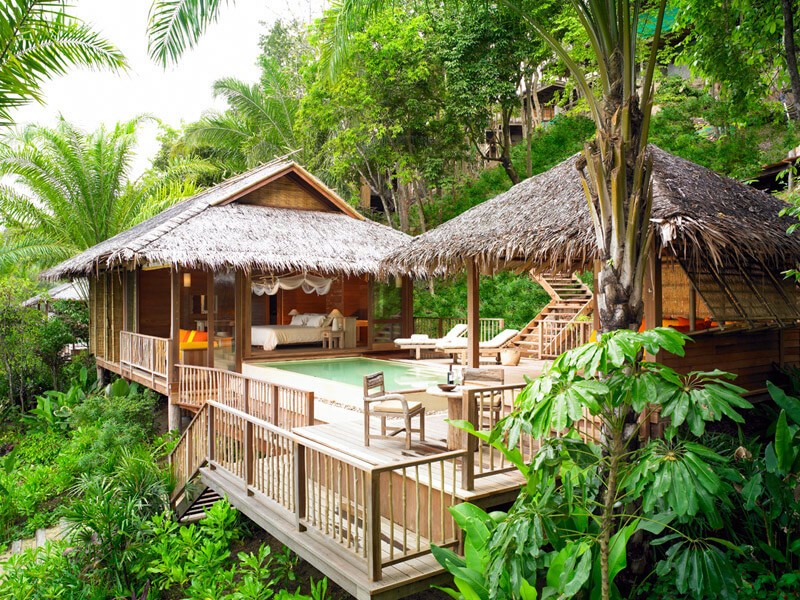
Eco-friendly nature retreats are accommodations that prioritize environmental sustainability and conservation while providing a peaceful and rejuvenating experience for guests. These retreats are designed to minimize their carbon footprint and protect the surrounding ecosystem.
Sustainable Practices in Eco-Friendly Retreats
- Utilizing renewable energy sources such as solar power or wind energy to reduce reliance on fossil fuels.
- Implementing water conservation measures like rainwater harvesting and low-flow fixtures to minimize water wastage.
- Using locally sourced and organic materials for construction and furnishings to support local communities and reduce environmental impact.
- Offering farm-to-table dining options with organic produce to promote sustainable agriculture and reduce food miles.
- Creating wildlife habitats on the property to support biodiversity and protect native species.
Benefits of Choosing Eco-Friendly Retreats
- Reduced environmental impact: By staying at eco-friendly retreats, travelers can minimize their carbon footprint and contribute to conservation efforts.
- Healthier surroundings: Eco-friendly retreats are often located in pristine natural settings, providing guests with cleaner air and water for a healthier stay.
- Supporting local communities: These retreats often source goods and services locally, supporting small businesses and preserving traditional practices.
- Connecting with nature: Eco-friendly retreats offer guests the opportunity to immerse themselves in nature, fostering a deeper appreciation for the environment.
- Promoting sustainable tourism: By choosing eco-friendly retreats, travelers can support the growth of sustainable tourism practices and encourage other establishments to adopt similar initiatives.
Sustainable Tourism
Sustainable tourism plays a crucial role in protecting natural resources and preserving the environment for future generations. By promoting responsible travel practices, sustainable tourism aims to minimize negative impacts on local ecosystems, wildlife, and communities while maximizing the benefits of tourism.
Comparison between Traditional Tourism and Sustainable Tourism
Traditional tourism often focuses solely on economic gains without considering the long-term effects on the environment and local communities. This can lead to overdevelopment, pollution, and degradation of natural resources. In contrast, sustainable tourism takes a more holistic approach, considering social, cultural, environmental, and economic factors to ensure that tourism activities are sustainable in the long run.
Key Elements of a Sustainable Nature Retreat
- Use of eco-friendly practices, such as renewable energy sources and waste reduction strategies.
- Promotion of biodiversity conservation and protection of natural habitats.
- Involvement of local communities in decision-making processes and sharing of benefits from tourism activities.
- Educational programs for guests to raise awareness about environmental conservation and sustainable living.
- Sustainable sourcing of food and materials to support local businesses and reduce the carbon footprint of the retreat.
Eco-Friendly Accommodation: Eco-Friendly Nature Retreats That Support Sustainable Tourism

When it comes to eco-friendly accommodation options, there are various choices that cater to sustainable tourism. Treehouses, eco-lodges, and glamping sites are some of the unique and environmentally conscious alternatives that travelers can opt for.
These accommodations are designed with a focus on minimizing their environmental impact by utilizing sustainable materials, energy-efficient systems, and eco-friendly practices. From using renewable energy sources like solar power to implementing water conservation methods, these accommodations strive to operate in harmony with nature.
Treehouses
- Constructed without harming the surrounding trees
- Offer a unique experience of staying amidst nature
- Often built using reclaimed or recycled materials
Eco-Lodges
- Located in natural settings to promote conservation
- Implemented sustainable practices like waste management and recycling
- Provide educational programs on environmental awareness
Glamping Sites, Eco-Friendly Nature Retreats That Support Sustainable Tourism
- Combines glamour with camping in a sustainable way
- Offer luxurious amenities while respecting the environment
- Promote a deeper connection with nature through immersive experiences
Nature Conservation Efforts
Preserving local flora and fauna is a top priority for eco-friendly nature retreats. These conservation efforts not only protect the environment but also play a crucial role in promoting sustainable tourism.
Biodiversity Protection
One of the key conservation initiatives at eco-friendly nature retreats is the protection of biodiversity. By safeguarding the diverse plant and animal species in the area, these retreats help maintain the ecological balance and preserve the natural beauty of the surroundings.
Habitat Restoration
Many nature retreats engage in habitat restoration projects to revive and enhance the natural habitats within their premises. This includes reforestation, wetland restoration, and creating wildlife corridors to support the local wildlife population.
Community Engagement
Successful conservation projects often involve the local community in the efforts to protect nature. By educating and involving local residents in conservation activities, eco-friendly nature retreats foster a sense of stewardship and responsibility towards the environment.
Community Engagement

Community engagement is a crucial aspect of eco-friendly nature retreats, as they strive to build strong relationships with local communities and involve them in sustainable tourism practices. By working closely with residents, these retreats can create a positive impact on the environment, economy, and overall well-being of the community.Sustainable tourism practices not only benefit the environment but also have a direct impact on the local economy and residents.
By promoting responsible tourism, eco-friendly retreats help generate income for local businesses, create job opportunities, and support small-scale entrepreneurs within the community. This, in turn, leads to economic empowerment and improved livelihoods for the residents.
Empowering Local Artisans
Eco-friendly nature retreats often collaborate with local artisans to showcase their traditional crafts and products to visitors. By providing a platform for these artisans to sell their handmade goods, retreats help preserve cultural heritage, create a sense of pride within the community, and boost the local economy.
This direct engagement with artisans not only supports their livelihoods but also promotes sustainable practices and environmental consciousness among visitors.
Community Education Programs
Many eco-friendly retreats organize educational programs and workshops for local residents to raise awareness about environmental conservation, sustainable practices, and the importance of preserving natural resources. These initiatives empower the community to take ownership of their environment, instill a sense of responsibility towards nature, and foster a culture of environmental stewardship among residents.
Through these educational programs, eco-friendly retreats not only benefit the environment but also nurture a sense of community pride and involvement in conservation efforts.
Ultimate Conclusion
In conclusion, Eco-Friendly Nature Retreats That Support Sustainable Tourism are not just a trend but a crucial step towards preserving our natural resources and fostering community engagement. By choosing these retreats, we not only embark on a rejuvenating journey but also contribute to a more sustainable and eco-conscious travel industry.
Helpful Answers
What are some examples of sustainable practices in eco-friendly retreats?
Examples include using renewable energy sources, minimizing water usage, and supporting local wildlife conservation programs.
How do eco-friendly accommodations like treehouses contribute to sustainable tourism?
Treehouses are often built using environmentally friendly materials and techniques, blending harmoniously with the natural surroundings and reducing the overall ecological footprint of the retreat.
Why is community engagement important for eco-friendly retreats?
Community engagement fosters a sense of mutual respect and cooperation between the retreat and local residents, leading to positive socio-economic impacts and cultural exchange.